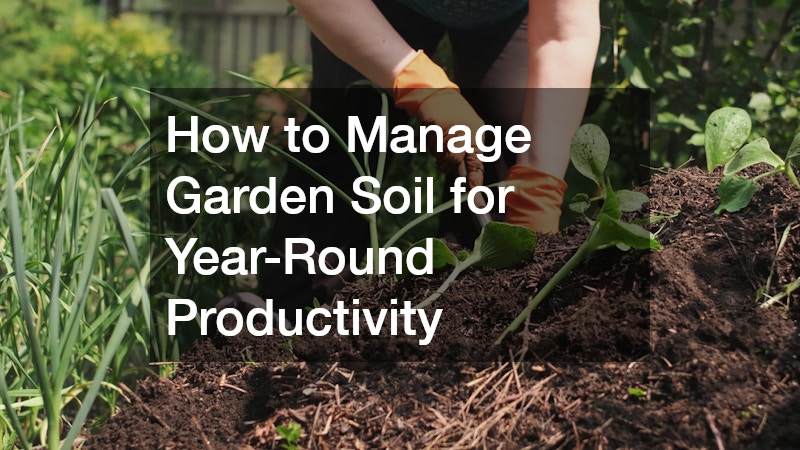
If you want a thriving garden, it all starts beneath the surface—literally. Healthy, well-managed soil is the foundation for strong plants, vibrant flowers, and bountiful vegetables. No matter how much love and attention you give your garden above ground, poor soil can hold everything back. That’s why understanding your soil and learning how to care for it year-round is essential for any gardener, whether you’re growing a small backyard patch or a full vegetable garden.
Managing soil might sound complicated, but it doesn’t have to be. With a few simple techniques, you can test your soil, improve its nutrients, protect it from pests and wildlife, and maintain consistent moisture all year long. By following a strategic, seasonal approach, your garden can stay productive and healthy no matter what the weather brings. In this guide, we’ll walk you through practical steps and smart strategies to help you maximize the potential of your garden soil all year.
- How to Test Your Soil Before Planting
- Improving Soil Nutrients and Fertility
- Protecting Soil From Water Damage and Erosion
- Lawn and Garden Bed Soil Management
- Preventing Soil-Borne Pests and Infestations
- Protecting Soil From Wildlife and Animal Disturbance
- Seasonal Soil Maintenance for Year-Round Productivity
- Final Thoughts: Integrating Practices for Healthy, Productive Soil
How to Test Your Soil Before Planting
Healthy plants start with healthy soil, and the first step in managing your garden soil is knowing exactly what you’re working with. Testing your soil may sound like a chore, but it’s one of the smartest things you can do before planting anything. Soil tests help you understand nutrient levels, pH balance, and the overall health of your garden bed. By knowing what your soil lacks or has in excess, you can make targeted improvements rather than guessing, which saves time, money, and frustration.
Testing soil is easy, and you don’t need to be a professional to get it right. You can use DIY soil test kits available at garden centers, or send a sample to a local lab for a more detailed analysis. If you’re working with larger trees or mature shrubs, consulting an arborist can provide additional insight into nutrient needs and soil health. When testing, make sure you collect soil from multiple spots in your garden to get an accurate representation. Once you know your soil’s composition, you can adjust fertilizers, organic matter, and other amendments to give your plants exactly what they need.
Tips for effective soil testing:
-
Collect soil samples from multiple areas for accuracy.
-
Test for pH, nitrogen, phosphorus, and potassium levels.
-
Repeat tests every 2–3 years or when changing plant types.
-
Record results to track changes and improvements over time.
Improving Soil Nutrients and Fertility
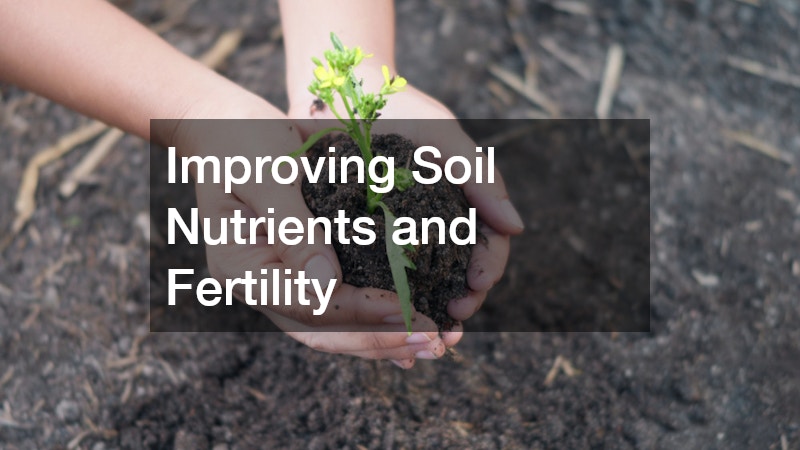
Once you know what your soil needs, the next step is boosting its nutrients to create a thriving garden environment. Healthy soil is full of life—microbes, earthworms, and naturally occurring nutrients all work together to feed your plants and support strong root systems.
Adding compost is one of the simplest and most effective ways to improve fertility. Not only does compost provide essential nutrients, but it also improves soil structure, allowing roots to expand more easily and water to penetrate efficiently. Over time, compost helps your soil retain moisture and nutrients, which reduces the need for constant fertilization.
In addition to compost, other soil amendments like organic matter, mulch, and natural fertilizers can help maintain a nutrient-rich garden. For larger gardens or more complex irrigation setups, consulting an irrigation company can ensure that water delivery is optimized so nutrients are properly absorbed and distributed.
Rotating crops or planting cover crops also helps prevent nutrient depletion and keeps soil fertile for future planting. Fertility isn’t just about feeding plants—it’s about creating a balanced, thriving ecosystem beneath the surface where roots, microbes, and water work in harmony.
Additional tips to boost soil nutrients naturally:
-
Test soil nutrient levels before adding amendments to avoid over-fertilizing.
-
Encourage earthworms and beneficial microbes to naturally enrich the soil.
-
Apply compost tea or liquid fertilizers for a quick nutrient boost.
-
Layer organic mulches seasonally to improve soil texture and fertility.
-
Introduce flowering cover crops to attract pollinators and enrich soil naturally.
Maintaining Consistent Moisture in Garden Soil
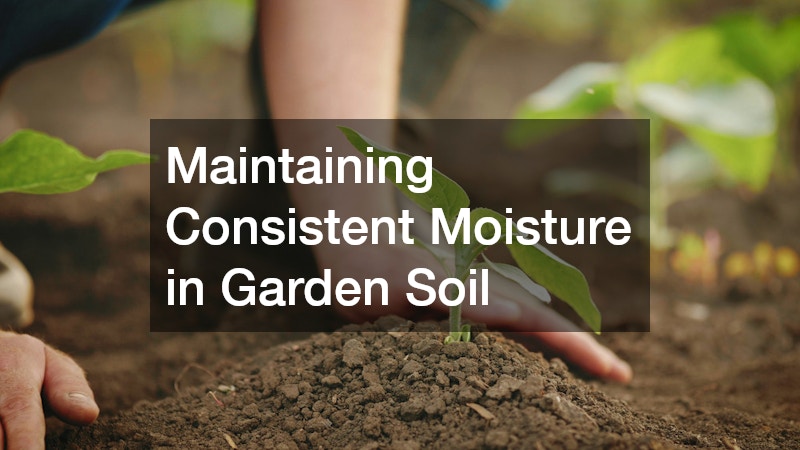
Water is a crucial element in garden soil management, and consistent moisture can make the difference between thriving plants and struggling ones. Uneven watering, whether too much or too little, stresses plants, depletes nutrients, and can even lead to disease.
To maintain consistent moisture, it’s important to understand your soil type. Sandy soils drain quickly and require more frequent watering, while clay soils retain water longer but may need better drainage to prevent waterlogging and root rot. Testing and observing your soil regularly can help you fine-tune your watering routine for optimal results.
Mulching is an excellent way to help soil retain moisture and reduce evaporation. Not only does it keep roots hydrated, but it also helps regulate soil temperature, keeping plants cooler in summer and warmer in winter.
Installing efficient irrigation systems, such as drip lines or soaker hoses, ensures water reaches plant roots effectively without waste. For gardeners who notice uneven watering or leaks in the system, scheduling professional irrigation system repairs can make a big difference in maintaining consistent soil moisture and protecting plant health.
Creative Ways to Keep Soil Moist Year-Round
-
Install rain barrels or water collection systems to supplement irrigation.
-
Use moisture meters to track soil hydration accurately.
-
Group plants with similar water needs together to simplify watering.
-
Apply light top-dressing of organic matter to improve water retention.
-
Create shallow trenches around beds to direct runoff to plant roots.
Protecting Soil From Water Damage and Erosion
Water can be a gardener’s best friend, but it can also cause serious soil problems if not managed correctly. Heavy rainfall, overflowing gutters, or improper drainage can lead to soil erosion, washing away valuable nutrients and leaving bare patches in your garden. Protecting your soil from water damage is essential to maintain long-term productivity and prevent costly repairs.
Simple measures like creating raised beds, installing drainage channels, or even fixing broken downspouts through routine gutter repairs can make a big difference in controlling runoff and keeping soil in place.
Another key strategy is using ground covers, plants, or mulch to protect the soil surface. Cover crops, grasses, and low-growing plants act as natural shields against rain and wind, reducing the impact of erosion and keeping soil intact.
Installing gutter guards can also help prevent debris buildup, ensuring rainwater flows properly and doesn’t flood garden beds. Even small garden plots benefit from these protective measures, ensuring that soil stays rich, fertile, and healthy throughout the year.
Smart Ways to Shield Soil From Erosion
-
Build raised beds to improve water control and soil stability.
-
Use mulch or organic covers to protect soil from heavy rain.
-
Plant ground covers or grasses on bare spots to reduce erosion.
-
Create gentle slopes or drainage paths to redirect water effectively.
-
Inspect gutters regularly and maintain gutter guards to manage runoff.
Lawn and Garden Bed Soil Management
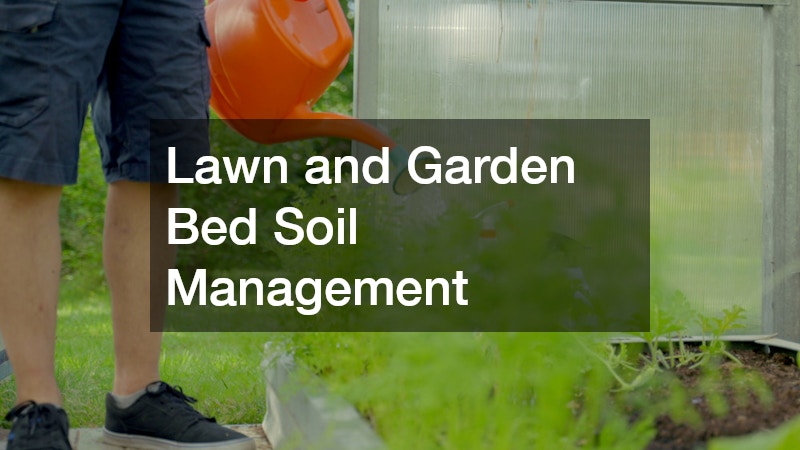
Lawns and garden beds have slightly different soil needs, but both benefit from regular attention and care.
For lawns, soil should be aerated periodically to allow water, nutrients, and oxygen to reach the roots effectively. Aeration can be done manually with a garden fork or with a mechanical aerator, which is especially helpful for larger lawns. Regular fertilization, overseeding, and proper mowing practices all contribute to healthy, resilient turf. Many homeowners also benefit from professional lawn care services, which provide expert guidance on fertilization schedules, aeration techniques, and soil improvement for optimal growth.
Garden beds, on the other hand, often require richer soil with better structure to support vegetables, flowers, and shrubs. Regularly turning the soil, adding compost, and keeping organic matter on top helps maintain a thriving environment for roots and soil microbes.
Moreover, proper tree pruning and tree trimming around garden beds ensures that trees don’t overly shade the soil or compete for nutrients, allowing sun-loving plants to flourish. Mixing in different soil amendments like compost, mulch, and organic fertilizers also promotes microbial diversity, keeping the garden bed balanced and productive.
Creative Approaches to Lawn and Garden Soil Care
-
Incorporate compost tea or liquid fertilizers for an extra nutrient boost.
-
Use soil aerators or garden forks strategically to prevent compaction.
-
Layer organic mulch seasonally to maintain soil structure.
-
Implement companion planting to improve soil health and microbe activity.
-
Track lawn and bed soil health with simple pH or nutrient tests.
Preventing Soil-Borne Pests and Infestations
Even the healthiest soil can attract pests, and managing them is key to maintaining productive garden beds. Soil-borne pests, such as nematodes, grubs, or fungal pathogens, can weaken plants, stunt growth, and reduce yields if left unchecked.
Regular inspection and early detection are essential to catch issues before they spread. Watch for unusual leaf damage, stunted growth, wilting, or root problems, which may indicate soil pests are taking hold.
There are many ways to prevent and control soil-borne pests without harming your garden ecosystem. Crop rotation, introducing beneficial insects, and using natural remedies like neem oil or diatomaceous earth can help reduce infestations while keeping your soil healthy.
For more severe or persistent infestations, consulting a professional pest extermination service ensures pests are eliminated safely without damaging plants or beneficial soil organisms.
Maintaining clean garden practices—removing debris, avoiding overwatering, and keeping soil well-drained—also helps prevent pest problems from taking root.
Creative Ways to Keep Soil Pest-Free
-
Encourage predatory insects to naturally balance pest populations.
-
Plant pest-repelling companion plants to reduce infestations.
-
Apply organic soil amendments that boost microbial resistance to pests.
-
Rotate planting locations yearly to minimize pest buildup.
-
Monitor soil and roots regularly for early signs of infestations
Protecting Soil From Wildlife and Animal Disturbance
Wildlife can be charming, but in your garden, animals may disrupt soil and damage plants. Birds, rabbits, deer, and even neighborhood pets can dig, eat, or trample soil, reducing productivity and harming young seedlings. Creating barriers or using natural deterrents helps protect the soil while still allowing for a wildlife-friendly garden.
One of the most effective ways to safeguard your garden is by installing fences or netting around vulnerable areas. For larger properties or more complex layouts, hiring a professional fence installer can ensure the barriers are strong, durable, and properly positioned to protect your soil and plants.
Raised beds, strategically placed plantings, or protective covers also help minimize the risk of animal disturbance. Balancing protection with maintaining a natural garden environment ensures your soil stays healthy without completely cutting off access to wildlife.
Practical Measures Against Wildlife Damage
-
Create buffer zones with hedges or thorny plants.
-
Use motion-activated lights or sprinklers to deter curious animals.
-
Build temporary enclosures for seedlings or newly planted areas.
-
Introduce decoy plants or sacrificial crops to distract wildlife.
-
Regularly inspect barriers and fences for gaps or weaknesses.
Seasonal Soil Maintenance for Year-Round Productivity
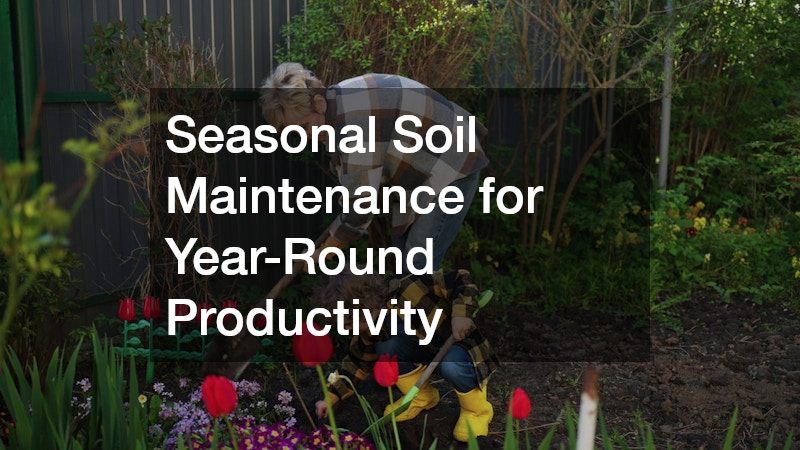
Garden soil doesn’t take a break, and neither should your maintenance routine. Each season presents different challenges and opportunities for keeping soil productive.
In spring, focus on preparing beds, adding compost, and testing soil nutrients. Summer may require extra watering and mulching to prevent dryness, while fall is ideal for replenishing nutrients and planting cover crops. Winter is perfect for letting soil rest while still protecting it from erosion and compaction.
Seasonal adjustments also help prevent long-term soil fatigue. By giving soil time to recover and providing the right care at each stage, you can maintain a fertile, healthy environment that supports plants year-round. Planning ahead ensures your garden stays productive and stress-free, no matter the season.
Seasonal Soil Care Tips
-
Spring: Incorporate fresh compost, check nutrient levels, prep beds for planting.
-
Summer: Apply deep watering techniques and maintain mulch layers.
-
Fall: Rotate crops, plant cover crops, and aerate soil as needed.
-
Winter: Protect soil from heavy rains and foot traffic, cover bare patches.
-
Year-Round: Monitor soil health, adjust pH, and track fertility changes.
Final Thoughts: Integrating Practices for Healthy, Productive Soil
Managing garden soil is an ongoing process, but it doesn’t have to be overwhelming. By combining testing, nutrient management, irrigation, pest control, and seasonal care, you create a resilient, productive soil environment. Healthy soil supports strong plants, reduces maintenance headaches, and maximizes your garden’s potential all year long.
Remember, soil management is as much about observation as it is about action. Keep track of what works, adjust based on seasonal changes, and don’t be afraid to try new strategies. With consistent care and attention, your garden will thrive, and your soil will reward you with vibrant, productive growth year after year.