
Modern family life is shaped by competing priorities that extend well beyond basic scheduling. Parents balance work obligations, children’s activities, household upkeep, transportation needs, and personal responsibilities, often within tightly packed weeks. Without intentional organization, these demands can quickly feel overwhelming. Families who succeed in managing busy lives are rarely those with fewer responsibilities; instead, they are the ones who develop adaptable systems that support communication, shared accountability, and flexibility. Organization becomes less about rigid control and more about creating structure that absorbs change without constant stress.
As families grow and evolve, so do their needs. Children move through different developmental stages, pets age, vehicles accumulate mileage, and homes require attention. Each of these elements influences daily routines and long-term planning. When families approach these areas separately, conflicts and inefficiencies arise. A more effective strategy is to view the household as an interconnected system where decisions in one area affect others. This perspective allows families to plan ahead, anticipate transitions, and reduce the strain of last-minute adjustments.
This guide offers practical strategies to help families manage activities, pets, vehicles, and household priorities with clarity and confidence. By addressing common areas that require coordination, families can build routines that support stability while leaving room for enjoyment and connection.
- Managing Outdoor Spaces and Home Exteriors
- Coordinating Waterfront Access and Recreational Areas
- Supporting Family Health Through Routine Care
- Managing Grooming and Personal Care Schedules
- Balancing Childcare and Early Education Needs
- Planning Educational Pathways Thoughtfully
- Building Community and Shared Values
- Coordinating Family Meals and Dining Experiences
- Managing Valuables and Household Assets
- Organizing Hobbies and Collectibles
Managing Outdoor Spaces and Home Exteriors
Outdoor spaces often serve as extensions of the home, providing areas for relaxation, play, and gatherings. For families, maintaining these spaces requires planning that accounts for safety, seasonal changes, and long-term upkeep. Lawns, gardens, and outdoor features influence how often families use these areas and how much time maintenance demands. Organization begins with understanding how outdoor spaces fit into daily routines and family priorities.
When families explore options such as custom landscape services, they are often thinking beyond aesthetics. Planning for outdoor improvements involves evaluating drainage, durability, and usability for children and pets. Preparation allows families to align improvements with schedules and avoid disruptions during peak activity seasons. Clear planning ensures outdoor spaces remain functional rather than becoming another source of stress.
Long-term outdoor management also supports property longevity. When families plan improvements thoughtfully, they reduce reactive maintenance and preserve usable space. Organized outdoor planning creates environments that support both recreation and relaxation.
Coordinating Waterfront Access and Recreational Areas

Homes near water introduce unique opportunities and responsibilities for families. Docks, boat access, and shoreline features require careful planning to ensure safety and consistent usability. Families benefit from understanding how waterfront elements fit into daily routines and seasonal activities. Organization helps prevent last-minute adjustments that disrupt schedules.
Working with dock companies often becomes part of long-term waterfront planning. Preparation involves understanding maintenance cycles, safety considerations, and access logistics. Families who plan ahead can coordinate inspections and repairs around busy seasons, minimizing disruptions to recreation and family time.
Waterfront planning also involves teaching children safe habits and establishing clear guidelines. Organized systems support both enjoyment and responsibility. When families integrate waterfront considerations into broader household planning, these spaces become assets rather than ongoing challenges.
Supporting Family Health Through Routine Care
Health management is a cornerstone of family organization. Regular checkups, preventative care, and consistent routines help families avoid emergency disruptions. Planning health care appointments in advance reduces stress and ensures continuity for all family members. Organized records and shared calendars make coordination easier.
Family dental care is often part of this planning, requiring scheduling that accommodates school and work commitments. Preparation allows families to space appointments strategically and maintain consistent routines. Organized health planning supports preventative care rather than reactive treatment.
When health care becomes part of an organized system, families experience fewer interruptions. Clear communication and advance planning ensure care fits seamlessly into busy schedules, supporting long-term wellbeing.
Managing Grooming and Personal Care Schedules

Personal care routines contribute to confidence and routine, particularly for children. Haircuts, grooming, and personal maintenance often require coordination around school, activities, and family commitments. Organization helps families avoid rushed appointments and last-minute scheduling conflicts.
Scheduling local haircuts as part of a broader routine allows families to plan ahead and reduce stress. Preparation ensures appointments align with important events, school schedules, and family availability. Organized personal care planning also encourages consistency, helping children develop responsibility.
When grooming becomes part of a predictable routine, it supports smoother weeks. Families who plan these details in advance free up mental energy for more meaningful activities and connections.
Balancing Childcare and Early Education Needs
Early childhood care shapes family schedules more than nearly any other factor. Drop-offs, pick-ups, and daily transitions influence work hours and household routines. Families benefit from clear systems that support consistent communication and preparation.
For families coordinating schedules around miami daycare, organization becomes essential. Clear routines, shared calendars, and prepared materials reduce morning stress and ensure smoother transitions. Planning ahead supports consistency for children and caregivers alike.
Long-term childcare planning also supports adaptability. Families who revisit routines as children grow are better equipped to adjust without disruption. Thoughtful organization creates stability while allowing flexibility as needs change.
Planning Educational Pathways Thoughtfully

Education decisions shape daily logistics and long-term planning. School schedules, transportation needs, and academic expectations influence family routines. Families benefit from approaching education planning with intention rather than urgency.
Choosing a montessori school often reflects a family’s values around learning and structure. Preparation involves understanding schedules, involvement expectations, and alignment with household routines. Early planning allows families to integrate education seamlessly into daily life.
Organized education planning supports smoother transitions and clearer expectations. When families align educational choices with logistical realities, children experience greater consistency and confidence.
Building Community and Shared Values
Community involvement provides emotional support and shared experiences for families. Participation in local organizations often influences weekly schedules and priorities. Organization helps families engage meaningfully without overextending themselves.
Being part of a family friendly church often includes activities beyond weekly gatherings, such as events, volunteer opportunities, and youth programs. Planning helps families balance involvement with other responsibilities. Organized calendars and clear priorities support sustainable participation.
Community engagement becomes more fulfilling when planned intentionally. Families who integrate these commitments thoughtfully create space for connection without feeling overwhelmed.
Coordinating Family Meals and Dining Experiences
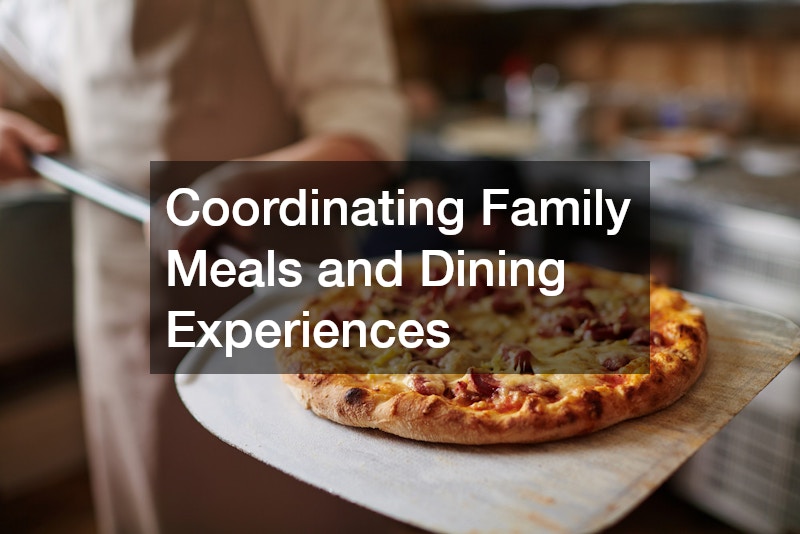
Meals offer opportunities for connection and routine in busy households. Planning meals reduces decision fatigue and supports healthier habits. Families benefit from balancing home cooking with occasional outings.
Visiting a thai place can be part of intentional family dining when planned around schedules and preferences. Preparation ensures meals remain enjoyable rather than rushed. Organized planning supports both nourishment and shared experiences.
When families approach meals with structure and flexibility, they create rhythms that support connection. Thoughtful planning transforms meals into anchors within busy weeks.
Effective meal coordination also depends on establishing flexible expectations rather than rigid plans. Families benefit from identifying a few dependable meal routines during the week while leaving room for adjustments when schedules shift. Preparing shared grocery lists, rotating meal responsibilities, and keeping a running list of quick meal ideas can significantly reduce daily decision fatigue. This approach allows families to remain nourished and connected even during busy periods. Planning meals in advance also helps reduce last-minute stress when activities run late or unexpected obligations arise. Over time, these systems encourage participation from all family members, fostering a sense of shared responsibility. When meals are approached as part of an organized rhythm rather than an obligation, families experience greater consistency and enjoyment. Thoughtful planning transforms dining from a logistical challenge into a reliable anchor within the household routine.
Managing Valuables and Household Assets
Families often accumulate valuable items that require documentation and planning. Organization supports clarity and prevents confusion during transitions or evaluations. Maintaining records helps families make informed decisions.
Exploring cash for gold and silver services often arises during downsizing or reorganization. Preparation ensures families understand what they own and why decisions are made. Organized records support transparency and confidence.
Asset organization also supports long-term planning. Families who maintain clear documentation reduce stress and preserve value across generations.
Organizing household assets also encourages open conversations about value, responsibility, and long-term planning. Families who regularly review important items and documentation gain a clearer understanding of what they own and why it matters. Creating designated storage spaces, maintaining updated records, and revisiting inventories periodically reduces uncertainty during transitions. This process becomes particularly helpful when households downsize, relocate, or reorganize shared spaces. Organization supports transparency and prevents disagreements by ensuring everyone has access to accurate information. Over time, these habits promote confidence and preparedness, allowing families to make thoughtful decisions without pressure. Treating asset organization as an ongoing practice rather than a one-time task strengthens continuity and trust within the household.
Organizing Hobbies and Collectibles
Children’s interests and collectibles add joy but also require organization. Toys, cards, and hobby items can quickly create clutter without systems in place. Families benefit from setting boundaries and storage routines.
Managing items such as a pokemon card collection involves teaching responsibility and organization. Clear storage and inventory systems help children value their belongings while maintaining order. Planning supports enjoyment without chaos.
Hobby organization encourages balance. When families integrate hobbies into structured routines, they support creativity while preserving shared spaces.
Hobby organization also offers valuable opportunities to teach children skills such as categorization, responsibility, and prioritization. When families establish clear guidelines for storage and care, children learn how to manage personal interests without overwhelming shared spaces. Creating dedicated areas for hobbies encourages respect for boundaries while still allowing creativity to flourish. Regular check-ins help families reassess space needs and adjust systems as interests evolve. Over time, these practices support independence and accountability. Organized hobby management reduces clutter-related stress and preserves enjoyment, ensuring that personal interests enhance rather than disrupt household harmony. When hobbies are thoughtfully integrated into family routines, they become sources of pride and engagement rather than ongoing organizational challenges.
Sustaining balance across household priorities requires families to revisit systems regularly and adjust them as circumstances change. What works during one stage of family life may need refinement later, and flexibility is essential. Families who schedule periodic check-ins to review routines, responsibilities, and goals are better equipped to maintain alignment. This reflective approach prevents outdated systems from becoming burdensome and ensures organization remains supportive rather than restrictive. Over time, adaptive planning fosters resilience and reduces stress. When families view organization as an evolving process, they maintain clarity while preserving the ability to respond calmly to change.
Managing family life requires more than juggling schedules—it demands thoughtful systems that evolve with changing needs. From childcare and education to community involvement and household assets, organization supports balance and clarity. Families who plan proactively reduce stress and gain greater control over daily life.
Organization also strengthens communication and shared responsibility. When systems are clear, family members contribute more effectively and feel supported rather than overwhelmed. Over time, organization becomes a shared habit that fosters cooperation and resilience.
Ultimately, thoughtful planning allows families to focus on connection and growth rather than constant coordination. By approaching household priorities with intention, families create environments that support both structure and flexibility, helping them thrive through every stage of life.
As family life grows more complex, organization becomes a quiet yet powerful support system that shapes daily experiences. The routines families establish influence how smoothly they navigate both ordinary days and major transitions. When organization is approached with intention and flexibility, it allows families to adapt without losing connection or stability. Over time, these systems strengthen communication, promote shared responsibility, and reduce friction. Prepared families are better positioned to respond thoughtfully when priorities shift or unexpected situations arise. Ultimately, organization is not about control but about creating space—space for growth, connection, and enjoyment. By continually refining how they manage activities, assets, and responsibilities, families build environments that remain supportive, balanced, and responsive through every stage of life.