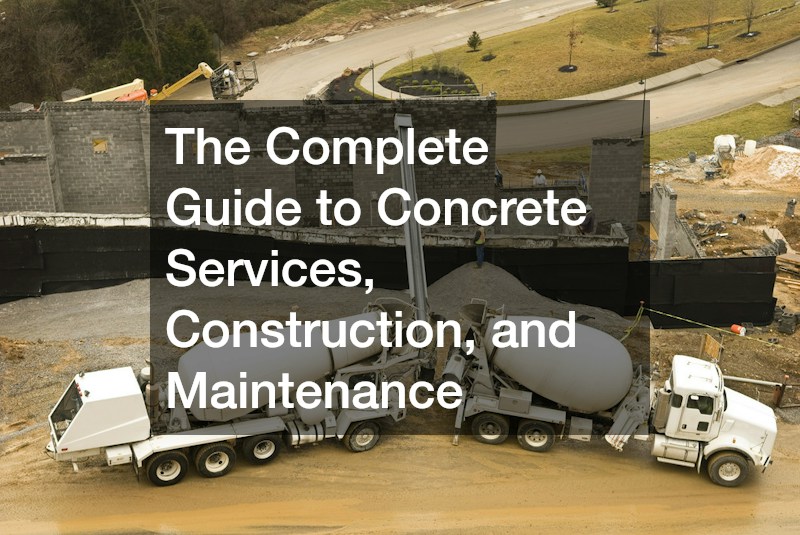
Concrete is one of the most widely used construction materials, providing strength, durability, and versatility for residential, commercial, and industrial projects. From driveways and sidewalks to foundations and structural components, concrete plays an essential role in creating safe, functional spaces. However, achieving long-lasting results requires more than simply pouring and finishing the material.
Proper planning, quality materials, experienced professionals, and regular maintenance all contribute to the performance of concrete structures. Over time, environmental exposure, soil movement, moisture, and everyday wear can cause cracking, settlement, and surface deterioration. Understanding how to prevent and address these problems can help property owners avoid expensive repairs.
- Create Clean Landscape Borders That Protect Walkways and Outdoor Spaces
- Correct Uneven Concrete Surfaces Before They Become Safety Hazards
- Select the Right Concrete Mix and Materials for Long-Lasting Results
- Make Precise Openings and Modifications Without Damaging Existing Structures
- Upgrade Patios and Walkways With Attractive, Durable Surface Finishes
- Plan Structural Projects Carefully to Avoid Costly Installation Mistakes
- Identify Structural Problems Before Repairing Cracks or Foundation Damage
- Remove Stubborn Coatings and Surface Contaminants Before Restoration
- Prevent Premature Surface Deterioration With Regular Cleaning and Maintenance
- Strengthen Property Safety With Properly Designed Protective Structures
- Protect Your Concrete Investment With Quality Work and Preventive Care
Create Clean Landscape Borders That Protect Walkways and Outdoor Spaces
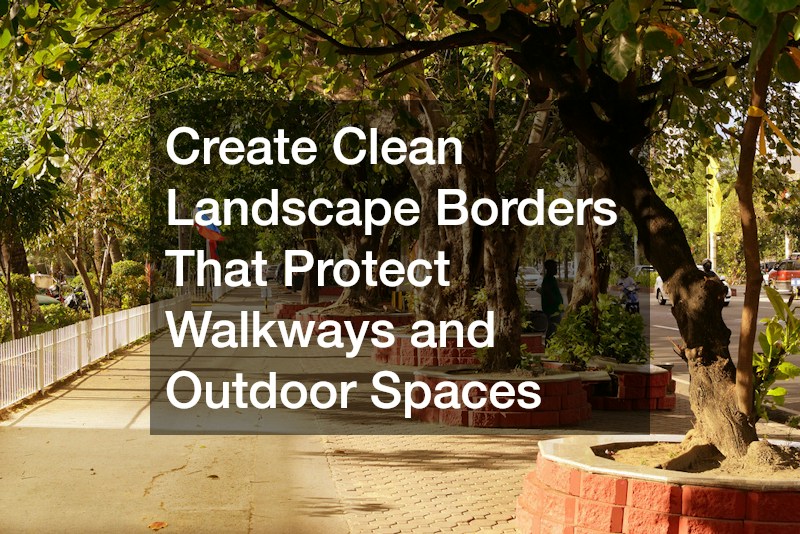
Concrete borders provide an attractive way to separate landscaping features while improving the organization and appearance of outdoor spaces. They can define flower beds, create boundaries along walkways, and prevent grass from spreading into landscaped areas.
Unlike lightweight edging materials that may shift or deteriorate over time, properly installed concrete borders offer a more permanent solution. Professional concrete edging services can create customized shapes, textures, and finishes that complement surrounding landscaping.
When planning landscape borders, consider these important factors:
- Placement: Identify areas where borders will improve separation and organization.
- Design: Choose shapes and finishes that complement existing outdoor features.
- Drainage: Ensure borders do not prevent water from flowing away from structures.
- Preparation: Confirm that the underlying soil is properly prepared before installation.
- Maintenance: Inspect borders periodically for cracks or movement.
Concrete edging can also help reduce the amount of time spent trimming grass around landscaping features.
However, installation quality matters because poorly prepared soil may contribute to settlement and cracking.
Thoughtful border placement improves curb appeal while creating cleaner, more manageable outdoor spaces that remain functional throughout changing seasons.
Correct Uneven Concrete Surfaces Before They Become Safety Hazards
Concrete surfaces can gradually settle when underlying soil shifts, erodes, or becomes improperly supported. This movement often creates uneven sidewalks, sunken driveways, and sloping patios that may become tripping hazards.
Ignoring settlement can also contribute to drainage problems, allowing water to collect near buildings or surrounding structures.
A professional mudjacking company can evaluate certain settled slabs and determine whether lifting them with injected material is an appropriate repair option.
Property owners should consider these steps when addressing uneven concrete:
- Inspect affected areas: Look for height differences, cracks, and noticeable changes in surface elevation.
- Identify drainage problems: Determine whether water movement is contributing to soil erosion.
- Evaluate slab condition: Check whether the concrete remains structurally suitable for lifting.
- Compare repair methods: Consider leveling options alongside complete replacement costs.
- Address underlying causes: Correct drainage or soil problems whenever practical.
Slab lifting can sometimes restore a more even surface without requiring extensive demolition.
However, severely damaged or unstable concrete may require replacement rather than leveling.
Obtaining a professional assessment helps property owners choose appropriate repairs while reducing safety concerns and preventing additional deterioration.
Select the Right Concrete Mix and Materials for Long-Lasting Results
Concrete quality plays a major role in determining how well a finished surface performs under everyday use. Different applications require specific material properties based on expected loads, environmental conditions, and structural requirements.
For example, a residential walkway may have different performance requirements than a commercial floor or heavily traveled driveway.
Experienced concrete suppliers can help contractors obtain mixes designed for particular construction applications.
Before ordering materials, consider several important factors:
- Strength requirements: Select appropriate specifications for the intended application.
- Environmental exposure: Consider moisture, temperature changes, and freeze-thaw conditions.
- Material quantities: Calculate the amount needed to minimize shortages and unnecessary waste.
- Delivery scheduling: Coordinate arrival times with site preparation and installation crews.
- Curing requirements: Plan for proper moisture retention and temperature management after placement.
Concrete mixtures contain cement, aggregates, water, and sometimes specialized admixtures that influence workability and performance.
Adding excessive water during installation can reduce strength and increase the likelihood of certain durability problems.
Working with qualified professionals helps ensure materials meet project specifications.
Appropriate material selection, careful placement, and proper curing contribute to stronger, longer-lasting concrete structures.
Make Precise Openings and Modifications Without Damaging Existing Structures
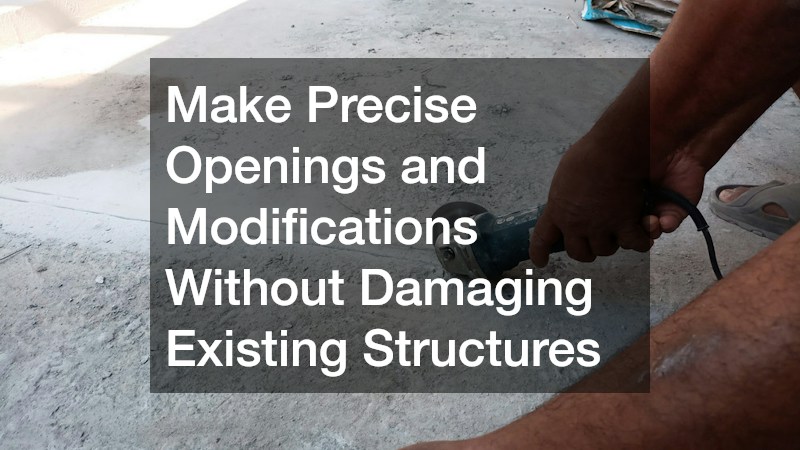
Construction and renovation projects sometimes require openings in existing concrete for utilities, drainage systems, doorways, or structural modifications. Removing material without appropriate planning can damage nearby components or compromise important building elements.
Specialized equipment allows trained professionals to create controlled openings while limiting unnecessary demolition.
A concrete cutting company may use saw cutting, core drilling, or other techniques depending on the project’s requirements.
Before beginning modification work, consider these important precautions:
- Identify utilities: Locate electrical lines, plumbing, and other embedded systems.
- Review structural conditions: Determine whether the area supports important loads.
- Confirm dimensions: Establish accurate measurements for openings and modifications.
- Plan debris removal: Arrange safe handling and disposal of removed materials.
- Control dust and noise: Use appropriate equipment and containment procedures.
Reinforced concrete may contain steel components that require specialized cutting equipment.
When modifying load-bearing walls, foundations, or structural slabs, professional engineering evaluation may be necessary.
Property owners should also verify applicable permits and inspection requirements.
Careful planning and professional execution help prevent unnecessary damage while allowing renovations and utility improvements to proceed efficiently.
Upgrade Patios and Walkways With Attractive, Durable Surface Finishes
Concrete is not limited to plain gray surfaces. Modern finishing techniques allow homeowners to create attractive patios, walkways, driveways, and outdoor living areas that complement their property’s overall design.
Decorative finishes can provide different colors, textures, and patterns while maintaining the practical benefits of concrete.
A decorative concrete service may offer stamped designs, exposed aggregate, coloring techniques, and other surface treatments.
When selecting a decorative finish, consider these recommendations:
- Match surrounding features: Choose colors and patterns that complement the home’s exterior.
- Evaluate slip resistance: Select appropriate textures for wet or frequently used areas.
- Review samples: Examine completed projects before approving a design.
- Understand maintenance: Ask about cleaning, sealing, and long-term care requirements.
- Compare costs: Evaluate decorative options alongside alternative paving materials.
Stamped concrete can resemble certain stone, brick, or tile patterns, offering additional design flexibility.
However, decorative surfaces still require proper installation, curing, and maintenance to preserve their appearance.
Some finishes may need periodic resealing depending on exposure and product specifications.
Thoughtful design choices can improve outdoor functionality, create attractive gathering spaces, and enhance the property’s overall appearance.
Plan Structural Projects Carefully to Avoid Costly Installation Mistakes
Successful concrete construction depends on careful coordination between planning, site preparation, reinforcement, placement, and curing. Mistakes during these stages can contribute to cracking, settlement, and reduced structural performance.
Whether installing a foundation, driveway, retaining wall, or commercial floor, property owners should understand the project’s requirements before work begins.
An experienced concrete construction contractor can coordinate installation procedures and help ensure the project follows approved specifications.
Important planning steps include:
- Review project plans: Confirm dimensions, design requirements, and intended use.
- Verify qualifications: Check contractor experience, insurance, and relevant credentials.
- Prepare the site: Address excavation, grading, drainage, and soil conditions.
- Confirm reinforcement: Ensure reinforcing materials follow engineering specifications.
- Establish schedules: Account for weather conditions, inspections, and curing time.
Concrete placement requires attention to temperature, moisture, and finishing procedures.
Rushing the process or using improper installation techniques can affect long-term durability.
Written contracts should explain project responsibilities, payment terms, and procedures for handling unexpected changes.
Maintaining clear communication with contractors helps identify concerns early and keeps construction activities organized.
Quality workmanship and careful project management contribute to reliable, durable results.
Identify Structural Problems Before Repairing Cracks or Foundation Damage
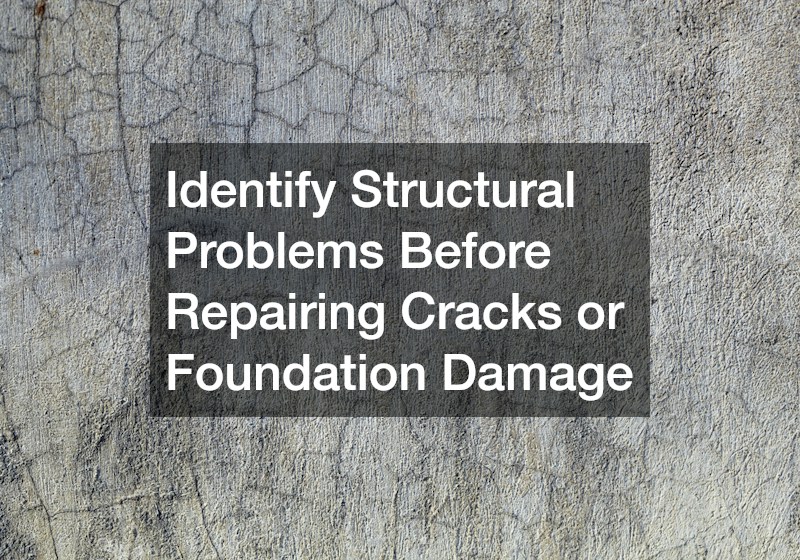
Concrete cracks can develop for several reasons, including normal shrinkage, temperature changes, soil movement, and structural stress. While some cracks are primarily cosmetic, others may indicate more significant problems requiring professional attention.
Property owners should avoid assuming that every crack can be resolved with a simple surface repair.
Qualified structural engineering companies can evaluate foundations, walls, slabs, and other structural components to identify potential weaknesses.
When investigating concrete damage, consider these steps:
- Document visible cracks: Record their location, width, and noticeable changes.
- Inspect surrounding areas: Look for uneven floors, sticking doors, or wall movement.
- Evaluate drainage: Identify moisture conditions that may contribute to foundation problems.
- Avoid premature patching: Determine the underlying cause before covering significant damage.
- Request professional guidance: Obtain evaluations when structural movement is suspected.
Widening cracks, bowing walls, or substantial settlement may indicate conditions requiring prompt attention.
Structural evaluations can help determine whether repairs, reinforcement, or additional investigation is necessary.
Cosmetic treatments alone may not prevent recurring damage when underlying conditions remain unresolved.
Identifying problems early helps property owners make informed repair decisions while protecting building safety and structural integrity.
Remove Stubborn Coatings and Surface Contaminants Before Restoration
Concrete surfaces can accumulate paint, old coatings, stains, and other contaminants that affect their appearance and interfere with restoration work. Before applying new finishes or protective treatments, proper surface preparation is often necessary.
Different cleaning and preparation methods are appropriate depending on the concrete’s condition and the materials being removed.
A professional sandblasting company may use abrasive blasting equipment to remove certain coatings and surface contaminants.
Before beginning restoration, consider these important factors:
- Evaluate surface condition: Determine whether the concrete can tolerate abrasive treatment.
- Identify existing coatings: Understand what materials need removal and whether hazardous substances are present.
- Protect surrounding areas: Cover nearby landscaping, windows, and finished surfaces.
- Control airborne particles: Use appropriate containment and dust management procedures.
- Test cleaning methods: Evaluate results on a small area before treating larger surfaces.
Excessive abrasive pressure can damage concrete or create an uneven surface texture.
Older coatings may also require specialized handling and disposal procedures.
Experienced professionals should select equipment and methods based on the project’s specific conditions.
Proper preparation supports better adhesion for subsequent treatments and helps achieve more consistent restoration results.
Prevent Premature Surface Deterioration With Regular Cleaning and Maintenance
Concrete driveways, patios, sidewalks, and commercial surfaces are constantly exposed to dirt, moisture, vehicle traffic, and environmental contaminants. Without regular maintenance, buildup can affect appearance and create slippery conditions.
Routine cleaning helps property owners identify developing problems while keeping outdoor surfaces attractive and functional.
A professional pressure washing service can remove many surface contaminants using equipment and cleaning methods appropriate for the concrete’s condition.
Effective maintenance practices include:
- Inspect surfaces regularly: Look for cracks, stains, settlement, and signs of deterioration.
- Choose suitable cleaning methods: Adjust equipment and products to the surface condition.
- Address stains promptly: Remove oil, grease, and organic buildup before they become difficult to treat.
- Maintain drainage: Prevent standing water from contributing to recurring moisture problems.
- Consider protective treatments: Evaluate sealing options based on exposure and maintenance needs.
Excessive water pressure can damage weakened surfaces or remove material from deteriorating concrete.
New installations may also require sufficient curing time before certain cleaning procedures are appropriate.
Regular inspections and appropriate maintenance help preserve surface appearance while reducing the likelihood of avoidable repairs.
Strengthen Property Safety With Properly Designed Protective Structures
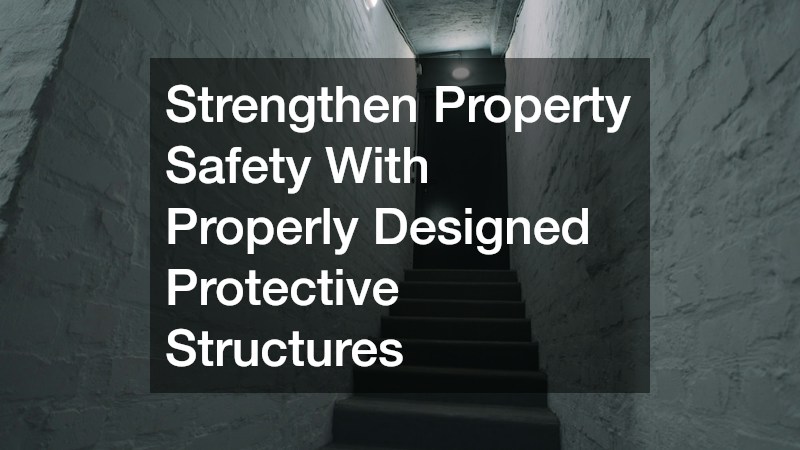
Severe weather can create dangerous conditions, making emergency preparedness an important consideration for property owners. Reinforced concrete is commonly used in certain protective structures because of its strength and ability to support specialized designs.
However, effective protection depends on much more than material strength alone. Structural design, anchoring, accessibility, and installation standards all influence performance.
A qualified storm shelter company can help property owners evaluate appropriate shelter options for their location and needs.
Important planning considerations include:
- Evaluate placement: Choose an accessible location that meets installation requirements.
- Compare shelter designs: Review above-ground and below-ground options.
- Confirm safety standards: Look for designs meeting applicable ICC 500 requirements and relevant FEMA guidance.
- Review structural support: Ensure foundations and anchoring systems meet approved specifications.
- Plan emergency access: Consider ventilation, occupancy capacity, and safe entry and exit.
Soil conditions, drainage, and available space can influence installation decisions.
Homeowners should verify product documentation, contractor qualifications, and applicable permit requirements before construction.
A protective structure should also be included in a broader emergency preparedness plan.
Proper planning and professional installation can help provide dependable protection during severe weather emergencies.
Protect Your Concrete Investment With Quality Work and Preventive Care
Concrete plays an essential role in creating durable foundations, functional outdoor spaces, and reliable structural components. However, long-term performance depends on proper installation, suitable materials, and consistent maintenance throughout the life of each structure.
Understanding available construction and repair methods helps property owners make informed decisions when addressing cracking, settlement, surface deterioration, or other concerns. Professional evaluations are particularly important when damage may affect structural safety or require specialized repairs.
Routine inspections, appropriate cleaning, and effective drainage management can help prevent minor problems from becoming expensive restoration projects. Choosing experienced professionals and reviewing project specifications also contributes to better workmanship and more dependable results.